

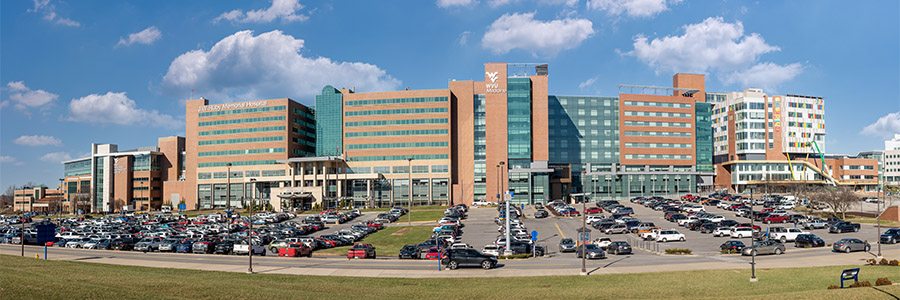
Two medical office buildings (MOBs) stand on a major not-for-profit health system’s flagship campus. They share a ZIP code, a patient population and even a stretch of sidewalk, but little else.
The first is tightly managed and under institutional ownership. Lease terms are structured to protect cash flow and occupancy is optimized. Rent escalators are enforced and tenant improvements are negotiated with precision. The owner — a national healthcare real estate investment trust (REIT) — knows this building’s value down to the decimal.
The second MOB tells a very different story. This one is owned by the health system. It houses affiliated physicians, outpatient services, and perhaps an urgent care center. Its lease terms are dated and rent collections are inconsistent. Cost recovery is incomplete. No one can say with confidence what this building is worth, either on paper or in practice.
Both buildings serve the same clinical mission, but only one is fully understood and strategically leveraged as a financial asset.
This contrast, increasingly visible across the healthcare landscape, highlights an urgent but underrecognized opportunity: to better align MOBs with enterprise capital strategy.
The real estate blind spot
For decades, not-for-profit health systems have rightly prioritized their core operating platforms, including inpatient care, ambulatory expansion, physician alignment and digital transformation. In this context, real estate — especially non-acute real estate like MOBs — has often been treated as a cost center needed to support the delivery of clinical services.
But in today’s environment of margin compression, capital constraints and mounting financial scrutiny, this passive view of real estate is no longer sustainable. Every asset on the balance sheet deserves an active financial strategy, especially those assets with third-party demand and embedded cash flow potential.
MOBs represent a uniquely actionable class of assets. They are typically well-located, mission critical and increasingly desirable to private investors. Yet many health systems underutilize them, overlooking their role in liquidity enhancement, credit positioning and total capital efficiency.
In the case of our two MOBs, Building B, owned by the health system, is operationally functional but little attention has been paid to its financial performance. As a result, the building sits idle on the balance sheet as a depreciated asset, even though it may be worth much more. In contrast, the REIT-owned Building A is actively managed for financial performance. Every decision about tenant mix, capital improvements or lease term is made with an understanding of how it will impact the building’s valuation.
In today’s constrained capital environment, health systems can no longer afford to let valuable real estate assets sit idle. Capital strategy must now account for the productivity of those assets, including MOBs.
A strategic approach to MOBs
Health system treasurers and CFOs have long been stewards of credit, capital and liquidity. But as balance sheets grow more complex and capital becomes more constrained, their role must evolve to embrace a more strategic approach that accounts for the productivity of the resources and assets under their management, including MOBs.
A more strategic approach optimizing real estate assets begins with visibility:
- What assets do we own?
- What is their fair market value?
- What return do they generate?
- How efficiently are they utilized?
- How do they support or strain our credit profile?
The answers to these questions allow MOBs to be evaluated like any other capital investment. And they can reveal new options: sale-leasebacks to unlock liquidity, joint ventures to share risk or redevelopment to enhance utility and value.
When framed properly, real estate strategy becomes a tool in the toolkit to meet the strategic goals and objectives of an organization.
Why haven’t more organizations embraced a strategic approach?
One reason is cultural. Real estate decisions are often fragmented across departments, with limited involvement from finance.
Another is technical: assessing real estate value and performance requires specialized tools and expertise.
A third is perception: staff, physicians and board members may view monetizing MOBs as a threat to clinical control.
These concerns are valid but not insurmountable. With the right strategic framework, health systems can develop real estate strategies that preserve mission integrity while enhancing financial resilience and optimization.
There are many opportunities to enhance the value of MOBs while still ensuring the availability of mission-critical space. To realize these opportunities, however, treasury and finance leaders must ask harder questions of their real estate portfolios:
- Are we managing these assets to their full economic potential?
- Are they helping or hindering our credit strength?
- Are we aware of the opportunity cost of inaction?
These questions sit at the heart of a modern capital strategy that each health system must contemplate. MOBs are not just places where care happens: They are strategic assets whose value is shaped by management, market engagement and mindset.
If your organization’s MOBs have not become part of your capital strategy, now is the time to consider how you can realize their full value.